Winter Weather Preparedness
A Faith and Community-Based Readiness Framework
Executive Summary
Winter weather emergencies—snowstorms, ice storms, extreme cold, and power outages—pose recurring risks to life, health, and property across the United States. Faith-based and community organizations play a critical role in strengthening local resilience by preparing households, reducing strain on first responders, and supporting vulnerable populations before, during, and after winter events.
Guidance from Federal Emergency Management Agency (FEMA) and the DHS Center for Faith emphasizes that preparedness is most effective when it is local, practical, and trusted. This paper outlines a winter preparedness framework aligned with FEMA’s Ready Campaign, highlighting how faith and community leaders can promote readiness, reduce cascading impacts, and protect lives and infrastructure during winter emergencies.
1. Winter Weather Risk Environment
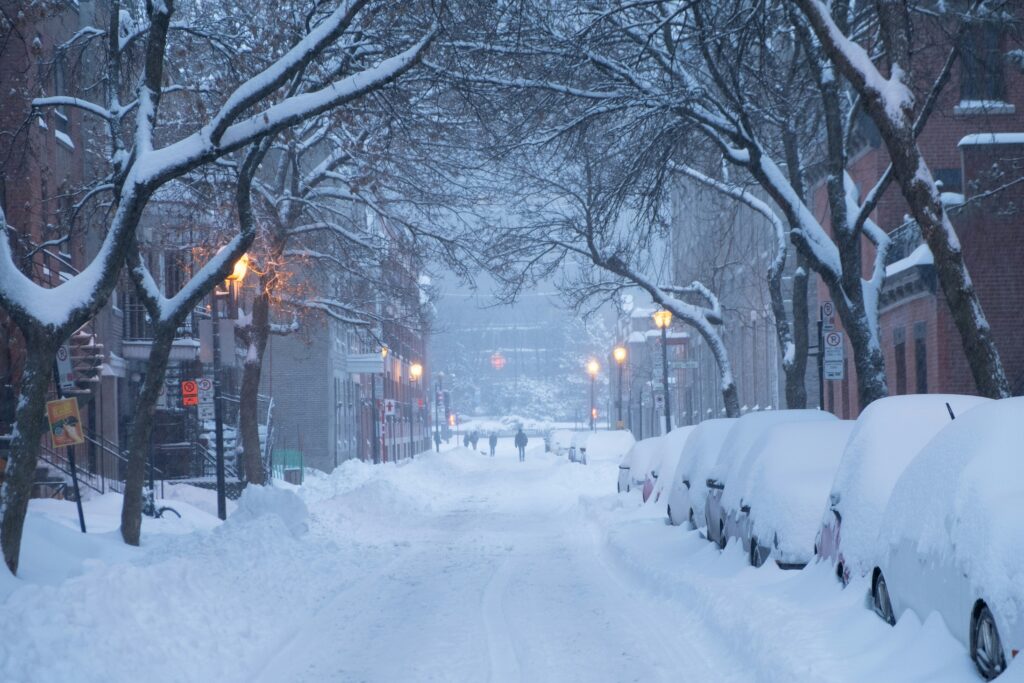
Winter hazards often trigger compound emergencies, including:
- Hypothermia and frostbite
- Carbon monoxide poisoning from improper heating
- Slips, falls, and transportation accidents
- Power outages impacting medical devices, water systems, and communications
- Increased demand on shelters, hospitals, and emergency services
Because these impacts are felt first at the local level, preparedness at the household and community level directly reduces the burden on fire departments, police, hospitals, and emergency shelters.
2. The Role of Faith and Community Organizations
Faith-based organizations are uniquely positioned to:
- Communicate trusted preparedness messaging
- Reach isolated or vulnerable populations
- Serve as informal warming centers or coordination hubs
- Reinforce preparedness behaviors through routine engagement (services, classes, newsletters)
The DHS Center for Faith supports these efforts as part of an all-hazards preparedness and resilience strategy, without endorsing any specific organization or service.
3. FEMA Ready Campaign – Winter Preparedness Focus
FEMA’s Ready Campaign promotes simple, actionable steps individuals and families can take before winter weather strikes:
Core Preparedness Actions
- Build a disaster supply kit (food, water, medications, flashlights, batteries)
- Create a family emergency communication plan
- Prepare homes (insulate pipes, service heating systems, test smoke and CO detectors)
- Plan for power outages, including safe heating alternatives
- Check on neighbors, especially elderly or medically vulnerable individuals
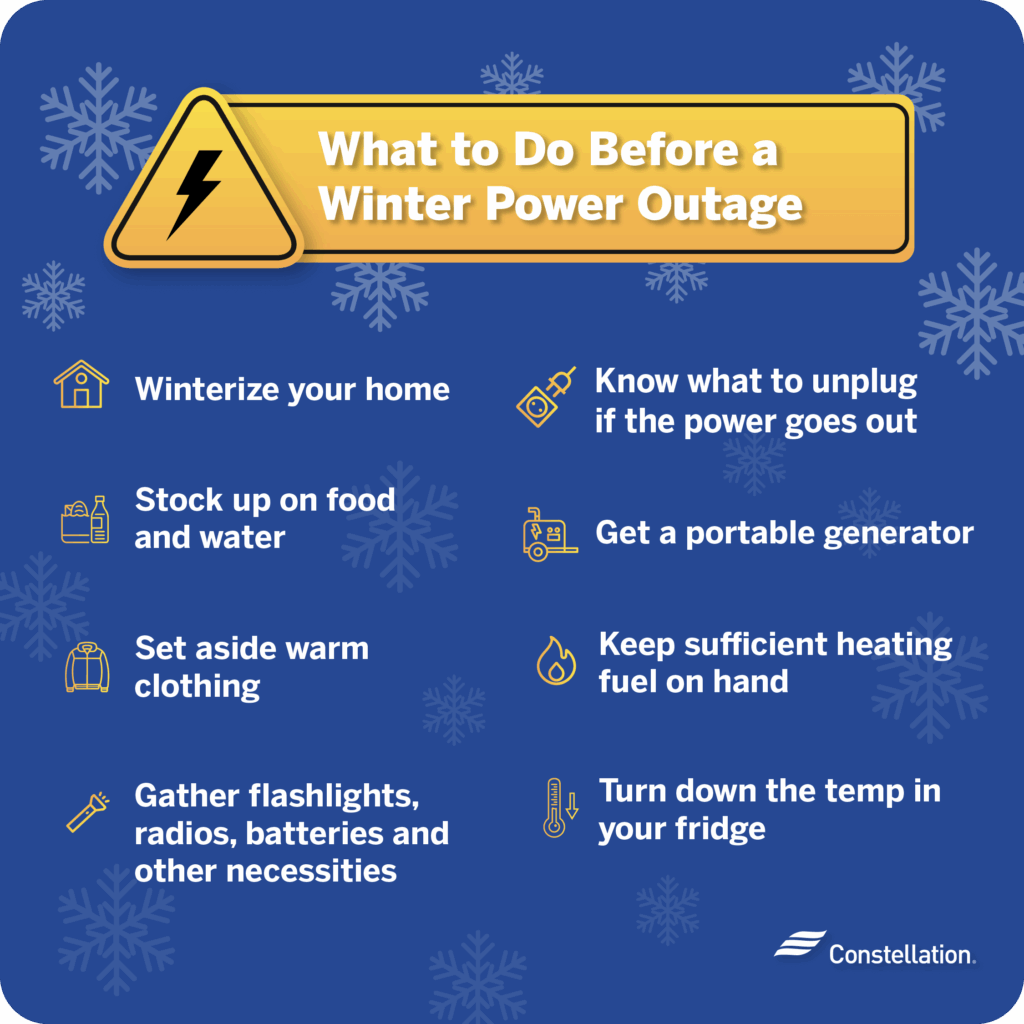
A prepared population experiences fewer injuries and property losses and requires fewer emergency interventions during winter storms.
4. Community Messaging and Engagement Strategy
FEMA encourages partners to:
- Share #WinterReady messaging, graphics, and videos
- Customize preparedness messages to local climates and risks
- Use newsletters, social media, and community gatherings to reinforce readiness
- Direct audiences to Ready.gov for planning tools and resources
Consistency, repetition, and trusted messengers significantly increase preparedness adoption.
5. Reducing Strain on Emergency Services
Prepared households:
- Require fewer emergency rescues
- Reduce hospital admissions from preventable cold-weather injuries
- Lessen shelter overcrowding
- Enable first responders to focus on the most critical life-safety missions
Preparedness is therefore not only a safety issue—it is a force multiplier for emergency response systems.
6. Conclusion
Winter preparedness is a shared responsibility. By equipping families with practical tools and clear guidance, faith-based and community organizations strengthen resilience, protect life, and support emergency services during the most demanding weather conditions.
FEMA’s mission—Helping people before, during, and after disasters—is advanced most effectively when preparedness begins at the community level.
Winter storms don’t just bring snow—they bring power outages, dangerous travel conditions, health risks, and increased strain on emergency services. The good news? Preparedness works.
According to FEMA, emergencies are inherently local. When families and communities prepare ahead of time, fewer people are hurt, fewer homes are damaged, and first responders can focus on true life-threatening situations.
What Does “Winter Ready” Mean?
Being #WinterReady means taking a few practical steps before the weather turns dangerous:
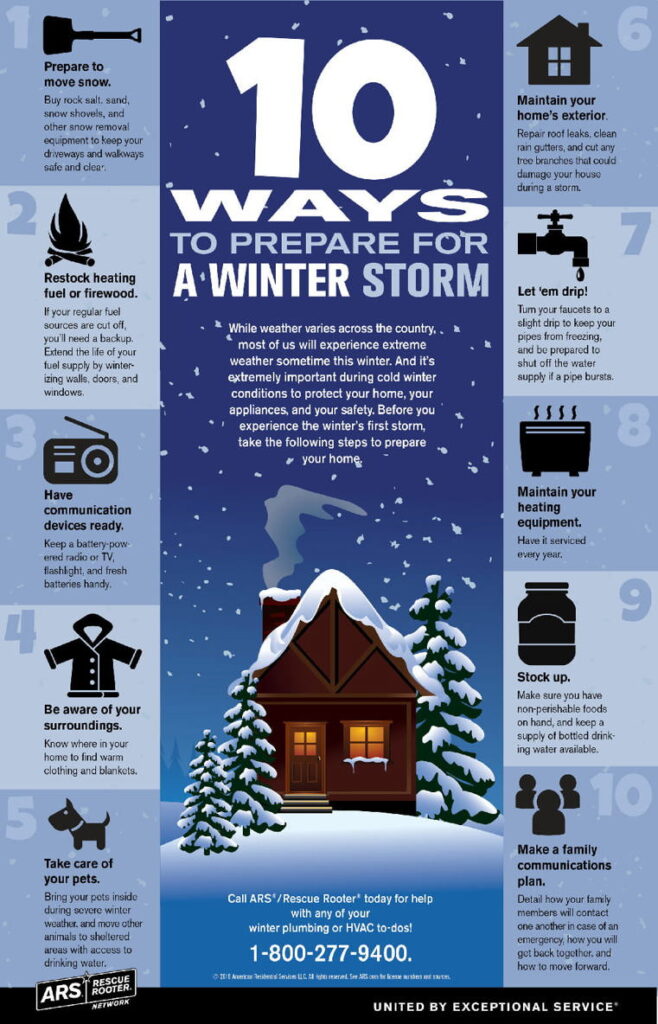
- Build a winter emergency supply kit
- Make a family communication plan
- Prepare your home and heating systems
- Know how to stay warm safely during power outages
- Check on neighbors who may need help
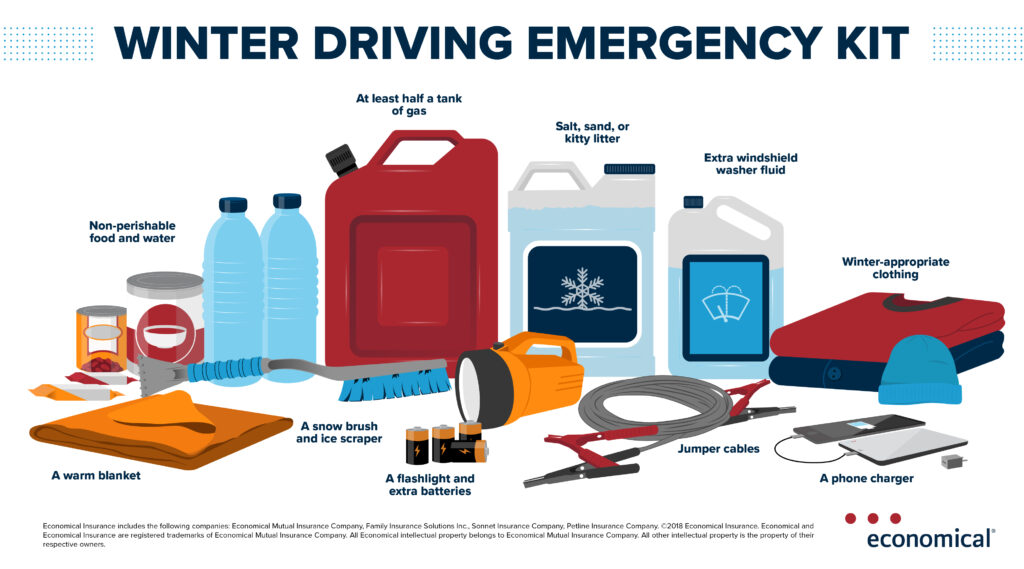
These small actions can prevent injuries, hospital visits, and emergency calls when winter storms hit.
Why Faith and Community Groups Matter
Faith-based and community organizations are trusted voices. Whether through newsletters, social media, or small-group gatherings, you help turn information into action. FEMA encourages organizations to share winter preparedness resources and adapt them to their local context.
When people are prepared:
- Emergency shelters are less overwhelmed
- Hospitals see fewer preventable injuries
- Fire and police departments can prioritize urgent rescues
Preparedness is compassion in action.
Take the Next Step
Visit ready.gov to:
- Build or update your emergency plan
- Customize supply kits for winter hazards
- Access shareable winter preparedness resources
Winter weather is inevitable. Suffering doesn’t have to be.
Let’s help our communities stay safe, resilient, and #WinterReady.