
Introduction
At Circumspect Group Inc., we believe preparedness is more than a concept — it’s a commitment. A little planning and preparation can make a tremendous difference during times of crisis. That’s why September, recognized as National Preparedness Month (NPM), is so important.
Led by FEMA and Ready.gov, this nationwide campaign encourages every American to take proactive steps to prepare for disasters and emergencies. Whether facing natural hazards, health crises, or unexpected disruptions, preparedness saves lives, strengthens communities, and builds peace of mind.
Why Preparedness Matters
Emergencies don’t wait. Hurricanes, wildfires, floods, cyberattacks, and even localized power outages can strike with little or no warning. Without a plan, families and organizations often face confusion, delays, and higher risk.
Preparedness provides:
- Resilience — Faster recovery from setbacks.
- Safety — Clear steps to protect loved ones.
- Confidence — Less fear in times of uncertainty.
Key Areas of Preparedness
1. Make a Plan
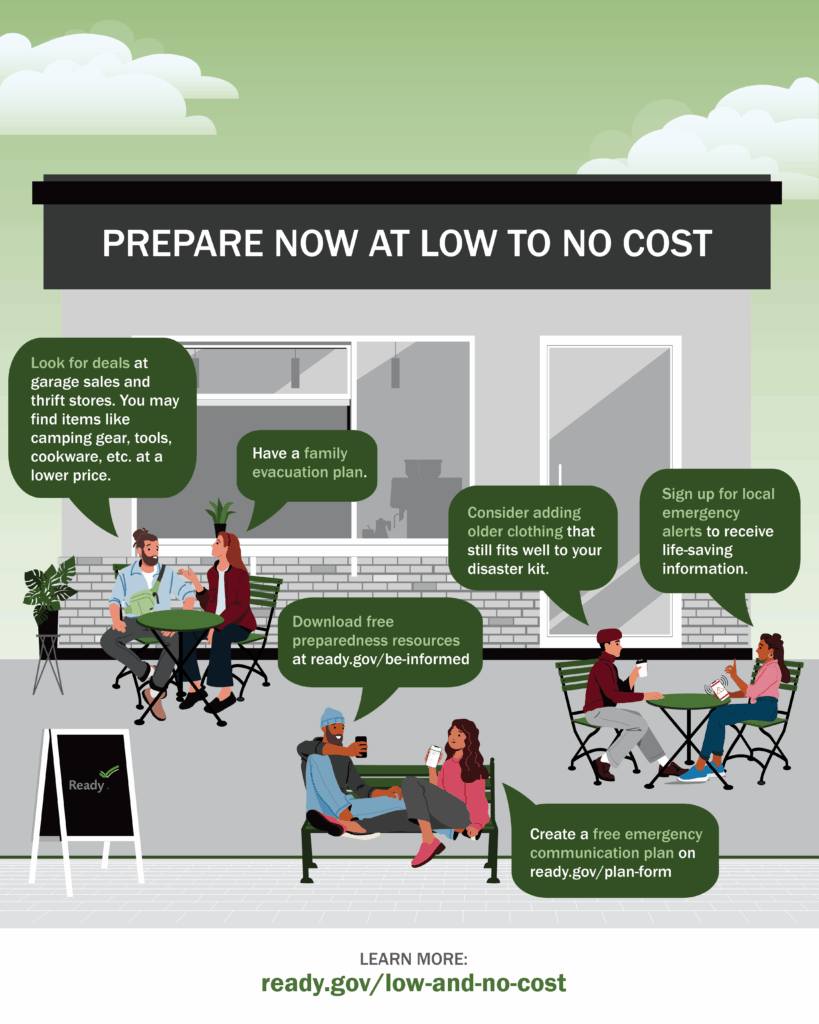
- Talk with your family about evacuation routes, meeting places, and communication strategies.
- Tailor plans for children, elderly relatives, and pets.
2. Build a Kit
- Stock non-perishable food, water, first aid supplies, flashlights, and batteries.
- Include medications, important documents, and backup chargers.
3. Stay Informed
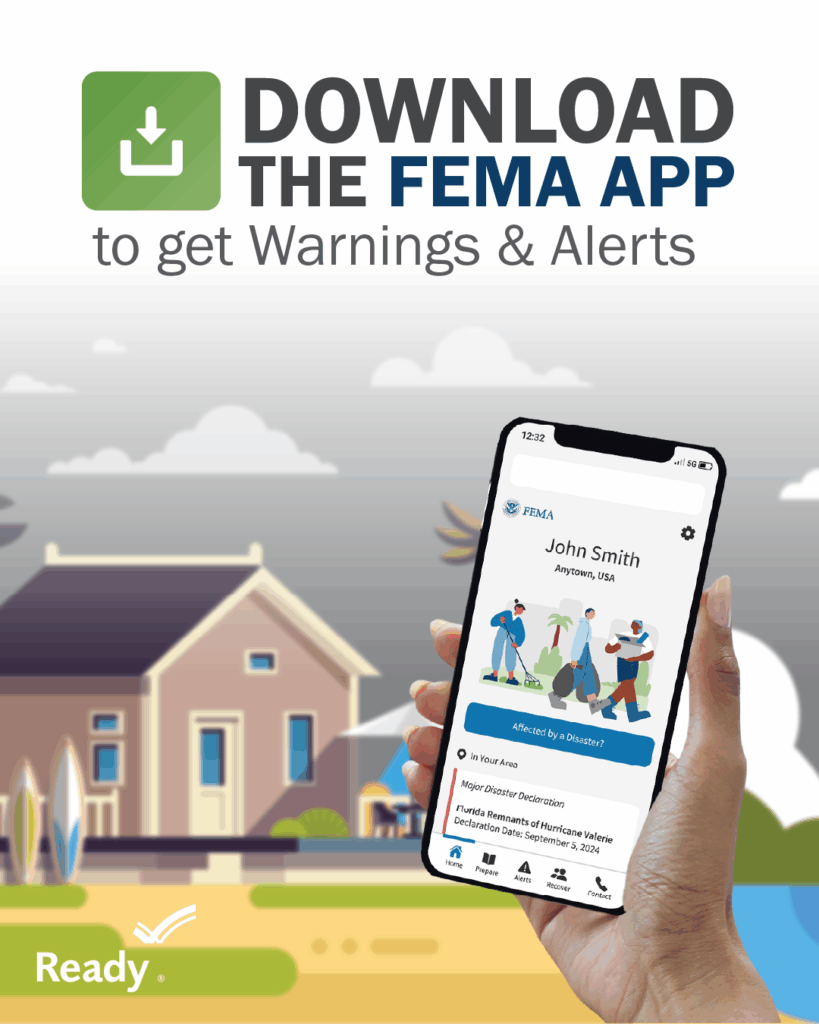
- Sign up for local emergency alerts and weather warnings.
- Follow trusted sources like Ready.gov, FEMA, and the Red Cross.
4. Get Involved
- Volunteer with local response groups.
- Encourage neighbors, churches, and community organizations to prepare together.
Special Focus for 2025
Each year, NPM highlights unique challenges. Past years have emphasized older adult preparedness, youth readiness, and inclusive planning for vulnerable populations. The 2025 focus remains clear: preparedness is for everyone, everywhere.
A Call to Action
This September, take one step each week:
- Week 1: Talk with your family — write down your emergency plan.
- Week 2: Build or update your emergency supply kit.
- Week 3: Sign up for alerts and review community resources.
- Week 4: Share preparedness tips with neighbors, coworkers, and church groups.
Preparedness isn’t complicated. It starts with simple, intentional steps.
Closing Thought
Preparedness is not fear-driven; it’s faith-driven stewardship. By planning today, we protect what matters most tomorrow.
Listen here…
Links…
https://www.ready.gov/low-and-no-cost
https://www.ready.gov/be-informed
https://www.ready.gov/plan-form
https://www.ready.gov/fema-app